


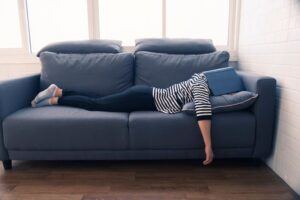
If you suffer from sleep apnea, you may be so tired that it is a struggle to get through your daily activities. You may be tempted to lie down for a nap! While napping can sometimes be a good way to boost energy levels, it is not always a smart practice for people with sleep apnea. Continue reading this blog post to discover what you should know about napping and how you can minimize its negative effects.
Potential Downsides of Napping with Sleep Apnea
Before you settle down for a nap, consider how it might negatively affect you:
- Interference with Routine Sleep Patterns: Taking naps can make it harder to fall asleep when night arrives. This behavior may disturb your natural sleep-wake rhythm, resulting in sleep that is more fragmented and less restorative.
- Absence of Therapeutic Devices: If you depend on a CPAP machine or oral appliance at night, you might not have these devices on hand for naps, particularly when you are away from home. Napping without your prescribed equipment can lead to the same disruptions in breathing and reductions in oxygen levels that happen during nighttime sleep.
- Development of Nap Reliance: Relying on naps to make up for inadequate sleep at night can establish a pattern of dependence. This routine may prevent you from creating healthy habits and could make it more challenging to resolve the underlying causes of your poor sleep.
How to Nap Safely with Sleep Apnea
What if you determine that you must take a nap? You can minimize the risk of adverse outcomes by taking some precautions:
- Do not neglect your treatment: Always make certain you have access to your CPAP machine or oral appliance when you nap. This measure guarantees that your breathing remains stable and uninterrupted, even during short rest periods. Because oral appliances are more portable than CPAP machines, they are an excellent option for you if tend to take naps away from home.
- Keep naps brief: Set an alarm so your naps last only 20 – 30 minutes. Short naps help prevent you from entering deep sleep, which can result in grogginess and further disrupt your sleep cycle.
- Nap earlier in the day: Opt for an early afternoon nap whenever possible. Taking naps later in the day can interfere with your ability to fall asleep at night and may disturb your body’s natural clock.
- Establish a nighttime routine: Stick to consistent bedtime habits to enhance your overall sleep quality. The better the quality of your nighttime rest, the less likely you will be to feel the need for daytime naps.
Focus on Nighttime Sleep Quality
Naps can be tempting, but they are not a substitute for high-quality sleep at night! Do your best to manage your sleep apnea so you can function better on a daily basis.
Meet the Practice
At Smileworks in Mt. Pleasant, our large team of dentists is committed to helping patients enjoy improved oral and overall health. That is why we are pleased to offer oral appliance therapy for sleep apnea, a proven alternative to bulky and noisy CPAP machines. If you have been struggling to get enough rest lately, we would be pleased to advise you on your next steps. Contact our office at 843-351-6422.