


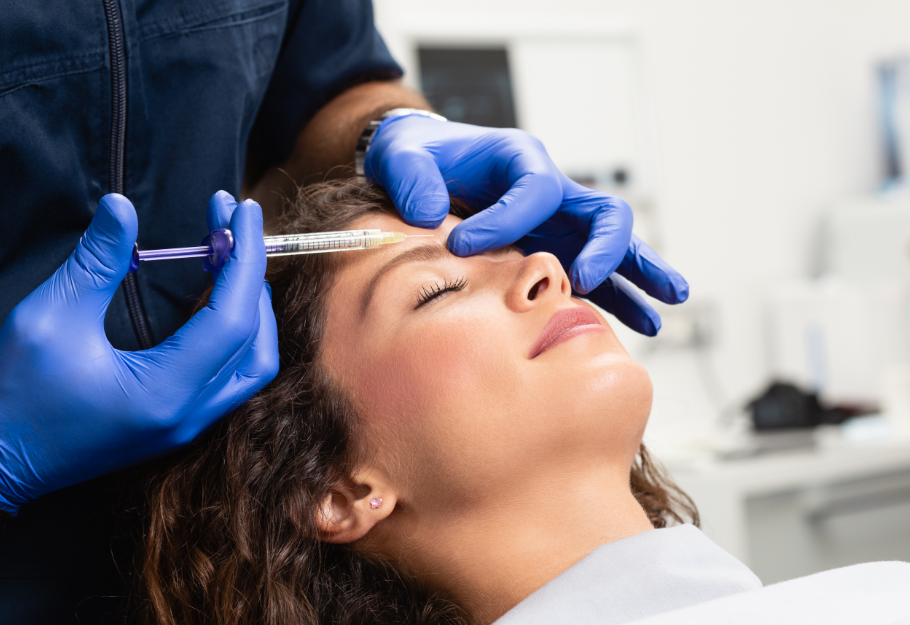
Bruising is one of the most common side effects after BOTOX or dermal filler treatments, and it’s completely normal to be concerned—especially if you want to get back to your routine quickly. The good news is that while some people are more prone to bruising than others, there are several ways to reduce your risk and help bruises fade faster if they do appear.
Understanding why bruising happens and how to manage it can make your treatment experience far more comfortable and stress-free.
Why Bruising Happens After Injections
BOTOX and dermal fillers are injected with very fine needles, but even these tiny punctures can sometimes nick small blood vessels beneath the skin. When this happens, a small amount of blood leaks into the surrounding tissue, causing discoloration.
Certain areas of the face are more vascular than others, which means bruising may be more likely in spots like around the eyes or lips. Individual factors such as skin thickness, age, medications, and overall circulation also play a role in how easily someone bruises.
How to Reduce Bruising Before Your Appointment
Preparation can make a big difference. In the days leading up to your treatment, your provider may recommend avoiding blood-thinning substances when medically appropriate. These can include aspirin, ibuprofen, fish oil supplements, vitamin E, and alcohol, all of which may increase the likelihood of bruising.
Staying well hydrated and maintaining a healthy diet can also support better circulation and healing. Some patients find that arnica supplements or topical products—used ahead of time—may help reduce the severity of bruising, though results can vary.
Always follow your provider’s specific instructions before treatment to ensure the safest outcome.
What to Do Immediately After Treatment
Applying a cold compress to the treated area shortly after injections can help constrict blood vessels and limit bruising. Gentle pressure—if advised by your provider—may also help minimize discoloration.
It’s best to avoid strenuous exercise, excessive heat, and alcohol for at least 24 hours after treatment. These activities increase blood flow and can worsen bruising or swelling. Keeping your head elevated when resting may also help reduce fluid buildup in the treated areas.
How to Help Bruises Heal Faster
If bruising does occur, patience and gentle care are key. Most bruises fade within a few days to a week. Applying cold packs during the first 24 hours and switching to warm compresses afterward can encourage circulation and healing.
Topical products containing arnica or vitamin K may help speed recovery for some people. Makeup can usually be applied the next day to conceal bruising, as long as the skin isn’t tender or irritated.
Avoid massaging or pressing on bruised areas unless your provider specifically instructs you to do so.
When to Contact Your Provider
Mild bruising is normal, but if you experience significant pain, swelling, or bruising that worsens instead of improves, you should reach out to your provider. They can assess whether what you’re experiencing is part of the normal healing process or if additional care is needed.
With proper preparation and aftercare, most bruising is minimal and temporary.
A little planning goes a long way toward smoother, more confident results.
About the Practice
Smileworks provides both therapeutic and aesthetic injectable treatments as part of a comprehensive approach to oral and facial wellness. Our experienced clinical team offers BOTOX and dermal filler services with careful attention to technique, safety, and patient comfort. In addition to cosmetic applications, our practice also provides BOTOX therapy for TMJ-related concerns, helping patients achieve functional relief and natural-looking results through personalized care.
Call us at (843) 351-6422 or request an appointment online.